Righteous Sweats Pros and Cons Real Owner Insights
The Rise and Growth of We Are Righteous: The Path from Startup to Streetwear Icon
Each streetwear label has an founding narrative, but it’s rare for a label to turn that story into a lasting identity. We Are Righteous has used its formative years doing just that — shaping a name that shoppers now actively look up rather than stumbling across by accident. When people type “righteous clothing” or “we are righteous review” into a search bar, they are usually looking for one of two things: proof that the brand delivers on quality, or a sense of where it fits among the crowded field of independent streetwear labels. This piece walks through that path, the choices that steered its direction, and what the brand appears as heading into 2026.
Because the streetwear space is such a fast-moving category, understanding this progression is important. A solitary breakout hoodie can propel a brand, before itvanish within eighteen months’ time. Some labels put in quiet effort for years on end, perfecting fit and fabric before anyone outside a small circle catches on. We Are Righteous sits in the latter category, and that steadiness is part of why the brand now is mentioned alongside longer-standing labels when people weigh a righteous clothing brand to its peers.
The Formative Years: A Startup With a Point of View
A compact catalog paired with a distinct aesthetic, instead of a wide product range, characterized the start of We Are Righteous, in line with most independent labels. The early collections were built around simple, statement-driven graphics and a restrained color palette, which allowed production manageable while the brand gauged what resonated with buyers. This reflects a common and sensible approach for a new apparel company: tighten the range, learn fast, and resist overloading inventory before demand is established.
In those first seasons, the label anchored its identity to “righteous” as a word righteousoutlet.net/shorts-sweatpants in itself — a deliberate choice that granted the label a character unlike typical streetwear naming norms. Rather than relying on vague initials or borrowed slang terms, the founders built a vocabulary around conviction, self-belief, and standing apart from trend cycles. The brand’s messaging remained consistent drop after drop, which allowed early customers to recognize it before logo placement was ever standardized.
Startups in apparel typically fail for one of three reasons: inconsistent quality, poor cash flow from overproduction, or a lack of clear identity. We Are Righteous avoided the third problem early by committing to a voice and sticking with it season after season. That consistency gave the brand room to fix production issues without confusing its audience about what it stood for.
When the Hoodie Emerged As the Foundation Behind the Range’s Development
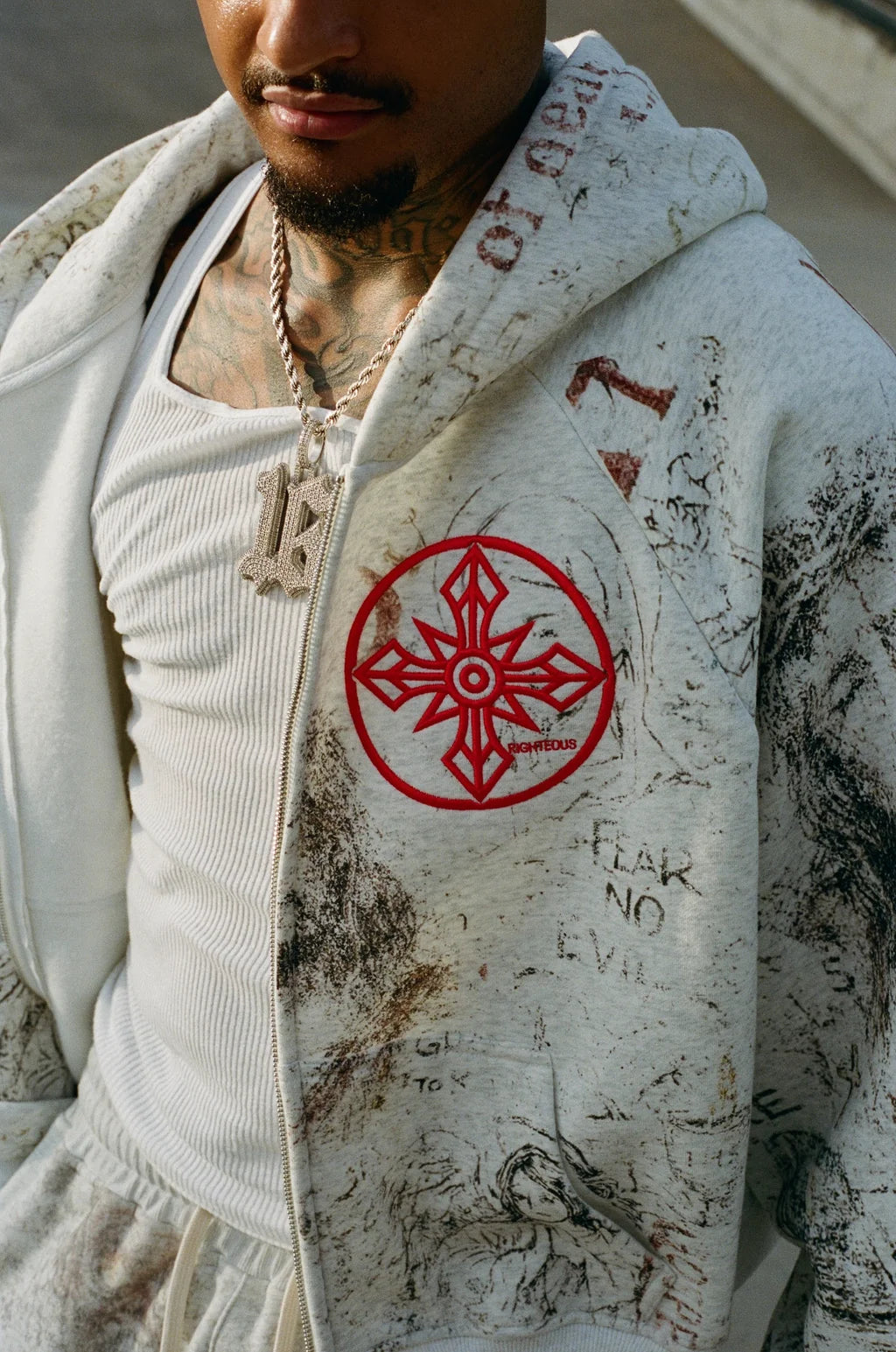
Each street-style label eventually requires a signature piece, and so for We Are Righteous, this cornerstone piece became the hooded pullover. A righteous hoodie is at this point among the most sought-after and re-stocked pieces in the collection, with solid reasoning behind it: hooded pieces showcase artwork effectively, perform in multiple seasons, and hand a brand a blank space sizable enough for a strong graphic statement without leaning on add-ons.
Its clothing approach grew steadily out from that anchor piece. T-shirts arrived first as a lower-cost entry point for first-time buyers, succeeded by thicker fleece garments, then outerwear as the lineup grew more established. Such a progression is fairly typical among streetwear brands, though timing is critical — expanding too quickly into categories like footwear or accessories before the core apparel line is trusted can weaken a young brand’s character. We Are Righteous apparel has stayed close to its roots: hoodies, tees, and fleece continue to anchor of the line although new colorways and cuts are released each cycle.
Consistency of fit is a further area where the brand has had to develop. New streetwear ventures frequently wrestle with fit that shifts from release to release because they’re working with multiple manufacturers or revising templates regularly. Becoming a “staple” brand rather than a fleeting trend has meant the label had to shrink that variability so repeat shoppers know roughly what to expect from drop to drop.
The Real Story Behind the Reviews
Search volume tied to “righteous review” and “we are righteous review” has grown alongside the brand’s profile, which is common once a label transitions from niche status to wider recognition. Feedback on independent streetwear labels usually center on three recurring topics: fabric weight, print durability, and true-to-size accuracy. Customers digging into We Are Righteous want to know whether the clothing earn their asking price compared to both fast-fashion basics and high-end streetwear labels.
The pattern across customer feedback for brands in this space is fairly predictable — denser fleece earns compliments, thin or overly stretchy cotton gets criticized, and print quality gets evaluated on whether it holds up, or cracks and fades, after multiple washes. Brands that survive their first few years and build a loyal repeat-customer base are usually the ones that tackle these particular issues fast rather than ignoring them. That responsiveness is part of what separates a “review-worthy” label from one that fades after a single hype cycle.
It’s also worth pointing out that reviews shift in tone as a brand grows older. Early reviews tend to focus on novelty and design — is the graphic on point, is the drop exciting. In later reviews, the emphasis turns to toughness and consistency — does the hoodie remain looking good after a year of use, does the sizing match what was advertised the first time around. The presence of both types of review is itself a signal that We Are Righteous has moved past the “new brand” phase and into a more established one.
Where It Ranks Amid Other Urban-Wear Labels
Positioning matters in streetwear, where dozens of brands compete for the same customer attention with similar silhouettes. The table below breaks down general category positioning — not exact pricing, since that varies by drop and retailer, but the structural differences that typically separate an independent label like We Are Righteous from mass-market and ultra-premium alternatives.
| Breakdown Area | Fast-Fashion Basics | Righteous Is What We Are | Upscale Streetwear Names |
|---|---|---|---|
| Production model | Mass, continuous restock | Limited, release-driven | Scarce, usually shaped by joint releases |
| Identity emphasis | Minimal, chasing current trends | Rooted in a clear message, reliable point of view | Designer-driven, design-as-art approach |
| Core product | Basic tees | Fleece pieces and hoodies | Shifts each season |
| Audience connection | Low | Growing, built around DTC connection | Elevated, but exclusivity-gated |
| Ease of access | High | Moderate | Limited |
This brand placement is precisely why side-by-side comparisons count for customers doing research before committing to a purchase. A brand that holds the middle ground — more deliberate than throwaway fashion, more approachable than premium designer streetwear — has to earn credibility through reliability instead of scarcity alone. We Are Righteous has established that space for itself, and sustaining it in the long run is harder because it calls for both strong products and consistent messaging at the same time.
Where the Label Is Positioned Heading Into 2026
By 2026, the streetwear industry has become far more packed than it was half a decade prior, with social platforms making it simpler than it’s ever been for an emerging brand to start up and tougher than it’s ever been for a label to stand out past its debut year. Trust, not novelty, is now the real battleground for brands that have made it this far, We Are Righteous included: repeat customers who are familiar with the fit, the fabric weight, and what the brand stands for well enough to purchase without repeated persuasion.
In the seasons ahead, what “growth” looks like for the brand is being reshaped by this shift. Instead of chasing every trend cycle, the steadier path is polishing what already delivers: building up the hoodie line, tightening size consistency, and developing apparel that coordinates seamlessly with the current lineup rather than launching unrelated one-off items. Brands that spread themselves too thin at this stage often lose the coherence that built their following in the first place.
Compared to the brand’s earliest seasons, community engagement now carries more weight. Streetwear customers in 2026 demand more hands-on connection — behind-the-scenes context on drops, honest communication about restocks, and a sense that the brand’s message goes beyond simple advertising talk but something the company really upholds. For a label built around the idea of “righteous” as more than a name, that alignment between message and practice is the real test of longevity.
Over several years, what began as a modest, purpose-led startup has earned enough recognition to be seen as a genuine streetwear staple, not just a passing name. The hoodie remains the cornerstone, the identity remains unwavering, and the reviews — both early hype-driven ones and later durability-focused ones — present a unified story of a brand that has grown purposefully rather than by chance. That’s a harder thing to achieve than a single viral drop, and it’s why We Are Righteous continues to come up in conversations about which independent labels are actually built to last.